
Blog
Librium 10mg : What You Need to Know
Jul
Librium 10mg for sale
Librium is the brand name for the generic drug chlordiazepoxide. It was one of the first benzodiazepines developed and introduced to the market. Librium 10mg for sale
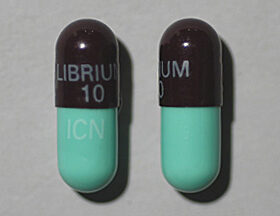
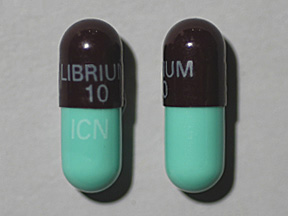
Drug Classification and Mechanism: Librium belongs to the benzodiazepine class of psychoactive drugs. Its primary mechanism of action is to enhance the effects of gamma-aminobutyric acid (GABA), a major inhibitory neurotransmitter in the brain. By boosting GABA’s effects, Librium produces a calming effect on the central nervous system (CNS), resulting in reduced nervousness, tension, and anxiety.
The 10mg tablet is a standard dosage strength used in various treatment protocols.
Primary Therapeutic Uses
Content focused on Librium’s uses must strictly adhere to FDA-approved indications:
- Management of Anxiety Disorders: Librium is prescribed for the short-term relief of severe anxiety symptoms. It is generally reserved for situations where anxiety interferes significantly with daily function.
- Treatment of Acute Alcohol Withdrawal: This is one of the most critical and common uses of Librium. Benzodiazepines like chlordiazepoxide are highly effective in managing the severe symptoms of acute alcohol withdrawal syndrome (DTs, tremor, agitation, and potential seizures). Its long half-life makes it particularly useful for providing stable relief during detoxification protocols.
- Apprehension and Anxiety Before Surgery: Librium may be used as a pre-operative medication to reduce patient anxiety and tension leading up to surgical procedures.
Topics for Responsible Content Development:
- Understanding Chlordiazepoxide: Detail the difference between the brand name (Librium) and the generic drug (chlordiazepoxide).
- Dosage and Administration: Emphasize that dosage is highly individualized and determined by a doctor based on the patient’s condition, age, and response to treatment.
- Risk of Dependence and Withdrawal: This topic is critical. Content should clearly explain the risk of physical and psychological dependence, especially with prolonged use. Detail the importance of a tapering schedule when discontinuing the medication, supervised by a physician.
- Common Side Effects: Discuss recognized side effects such as drowsiness, sedation, confusion, and impaired coordination.
- Drug Interactions: Crucially, highlight the dangers of combining Librium with other CNS depressants, particularly opioids and alcohol, which can lead to severe respiratory depression, coma, or death.
- Use in Alcohol Withdrawal: Create content explaining the role of chlordiazepoxide in medically supervised detoxification programs, emphasizing that this must occur in a clinical setting.
- Driving and Operating Machinery: Inform users that due to its sedative effects, Librium can severely impair the ability to drive or operate heavy machinery.
Why Medical Supervision is Essential
Content should consistently reinforce the necessity of physician oversight:
- Controlled Substance Status: Librium is a federally controlled substance (Schedule IV) due to its potential for abuse and dependence.
- Monitoring: Doctors monitor patients for therapeutic effect, development of tolerance, and adverse reactions. They also manage the critical process of discontinuing the drug safely to minimize withdrawal symptoms.
- Contraindications: Librium is not safe for everyone. A doctor must screen for conditions such as severe respiratory insufficiency, narrow-angle glaucoma, and specific allergies before prescribing it.
