
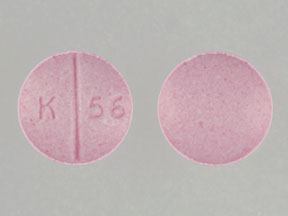
Percocet (Oxycodone) 10mg


$2.70
Percocet (Oxycodone) 10mg pills/tablets:
Percocet (Oxycodone) treats moderate to severe pain when around-the-clock pain relief is needed for a long period of time. Slow-release oxycodone is a narcotic that should not be taken more often than every 12 hours.
You can buy Percocet (Oxycodone) 10mg tablets online without prescription (No RX) .
product price is as: per pill
Minimum order quantity is: 100 pills
Percocet is a prescription-only medication primarily used for the short-term relief of moderate to severe pain. It’s a combination drug, meaning it contains two active ingredients: oxycodone and acetaminophen. Understanding both components is key to grasping how Percocet works and its associated risks.
What is Percocet?
- Oxycodone: This is an opioid analgesic, a potent pain reliever that acts on the central nervous system. As an opioid, it alters the way your brain and nervous system respond to pain, significantly reducing the sensation of pain. However, it also carries a high risk for physical dependence, addiction, and respiratory depression.
- Acetaminophen: More commonly known as Tylenol, acetaminophen is a non-opioid pain reliever and fever reducer. It works differently from oxycodone, helping to reduce pain and fever through mechanisms that are not fully understood but are believed to involve the central nervous system. Combining it with oxycodone allows for a lower dose of the opioid to be effective, while still providing robust pain relief.
How Does Percocet Work?
When taken, Percocet combines the powerful opioid action of oxycodone with the analgesic effects of acetaminophen. Oxycodone binds to opioid receptors in the brain and spinal cord, blocking pain signals and producing a sense of euphoria, which contributes to its high abuse potential. Acetaminophen enhances this pain relief through its own mechanisms, offering a dual approach to managing discomfort.
Medical Uses & Prescribing Practices
Percocet is typically prescribed for acute pain that is not adequately managed by non-opioid medications alone. This can include:
- Post-surgical pain
- Pain after a serious injury
- Pain related to certain medical procedures or conditions
Due to the significant risks associated with oxycodone, Percocet is generally prescribed for short-term use and at the lowest effective dose. Extended use increases the likelihood of developing tolerance, physical dependence, and addiction.
Important Warnings & Risks
Because of its oxycodone component, Percocet comes with serious warnings:
- Addiction and Dependence: Even when used as prescribed, Percocet can lead to physical dependence and addiction. Physical dependence means your body adapts to the drug and will experience withdrawal symptoms if you stop taking it suddenly. Addiction is a chronic disease characterized by drug-seeking behavior and compulsive use despite harmful consequences.
- Respiratory Depression: Opioids like oxycodone can slow down breathing, which can be life-threatening. This risk is increased with higher doses, concurrent use of other central nervous system depressants (like alcohol or benzodiazepines), or in individuals with pre-existing respiratory conditions.
- Liver Damage: The acetaminophen component, especially in high doses or when combined with alcohol, can cause severe and potentially fatal liver damage (hepatotoxicity). It’s crucial not to exceed the maximum daily dose of acetaminophen from all sources.
- Overdose: An overdose of Percocet can be fatal. Signs include pinpoint pupils, extreme drowsiness, slow or shallow breathing, cold and clammy skin, and loss of consciousness. If you suspect an overdose, call emergency services immediately. Naloxone (Narcan) can reverse an opioid overdose if administered quickly.
- Withdrawal Symptoms: If physical dependence has developed, suddenly stopping Percocet can lead to uncomfortable and sometimes severe withdrawal symptoms, including muscle aches, diarrhea, nausea, vomiting, agitation, and extreme cravings. Tapering off the medication under medical supervision is often recommended.
Safe Use Practices
- Only as Prescribed: Never take Percocet in higher doses or more frequently than prescribed by your doctor.
- Do Not Share: Never share your medication with others, and never take medication prescribed for someone else. It is illegal and highly dangerous.
- Avoid Alcohol and Other Depressants: Combining Percocet with alcohol, benzodiazepines, or other central nervous system depressants significantly increases the risk of severe respiratory depression and overdose.
- Store Securely: Keep Percocet in a secure location, out of reach of children, pets, and anyone who might misuse it.
- Proper Disposal: If you have unused Percocet, follow proper disposal guidelines (often found on the FDA website or local pharmacy) to prevent accidental ingestion or misuse. Percocet 10mg
Conclusion
Percocet is a powerful and effective pain reliever when used appropriately and under strict medical supervision. However, its benefits come with significant risks, particularly related to addiction, overdose, and liver damage. If you are prescribed Percocet, ensure you understand how to use it safely, are aware of the potential side effects, and know when to seek immediate medical attention. Always communicate openly with your healthcare provider about your pain, any concerns, and your full medical history.
Related products

PAIN KILLERS

PAIN KILLERS

PAIN KILLERS

PAIN KILLERS

PAIN KILLERS

MEN'S HEALTH

PAIN KILLERS

PAIN KILLERS