
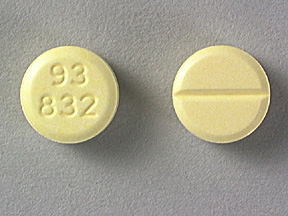


Understanding Clonazepam (Klonopin): Uses, Benefits, and Safety Considerations
Clonazepam, widely known by its brand name Klonopin, is a prescription medication that belongs to a class of drugs called benzodiazepines. It is primarily used to manage seizure disorders and panic disorders. Because of its efficacy in calming the central nervous system, it is one of the most commonly prescribed medications for anxiety-related conditions. klonopin dosage for anxiety
How Clonazepam Works
Clonazepam functions by enhancing the effects of gamma-aminobutyric acid (GABA), a neurotransmitter in the brain that acts as a natural “calmant.” By increasing GABA activity, Clonazepam slows down excessive electrical activity in the brain, which helps prevent seizures and reduces the intensity of panic attacks and severe anxiety.
Primary Medical Uses
- Seizure Disorders: It is highly effective in treating various types of epilepsy, including absence seizures and myoclonic seizures.
- Panic Disorder: Klonopin is often prescribed to reduce the frequency and severity of panic attacks, helping patients regain control during episodes of overwhelming fear.
- Anxiety Management: While not always the first-line treatment for generalized anxiety, it is often used for short-term relief in acute cases.
Important Safety Precautions
Clonazepam is a potent medication that requires careful medical supervision. It is classified as a controlled substance due to its potential for dependency and misuse. Patients should be aware of the following:
- Avoid Alcohol: Never combine Clonazepam with alcohol or other central nervous system depressants (like opioids), as this significantly increases the risk of dangerous respiratory depression or fatal overdose.
- Dependency Risk: It is designed for short-term use. Long-term use can lead to physical dependence and tolerance, meaning the body may require higher doses to achieve the same effect.
- Withdrawal Symptoms: Never stop taking Klonopin abruptly. Suddenly ceasing the medication can lead to severe withdrawal symptoms, including seizures, tremors, and intense anxiety. Always consult your doctor to create a tapering schedule.
- Side Effects: Common side effects include drowsiness, dizziness, coordination issues, and fatigue. Do not operate heavy machinery or drive until you know how the medication affects your cognitive function.
Consultation is Key
If you are struggling with panic disorders or seizures, it is essential to consult with a healthcare professional. They will determine if Clonazepam is the right treatment plan based on your medical history and current health needs. klonopin dosage for anxiety
Related products

PILLS

PILLS

PILLS

PILLS

PILLS

PILLS

PILLS

PILLS